
Autism Spectrum Disorder (ASD) and Attention Deficit Hyperactivity Disorder (ADHD) are conditions that have been attracting increasing attention in various areas, including nutrition. Recent studies suggest that diet can play an important role in the well-being of these children, especially regarding the consumption of gluten and casein.
Why might gluten and casein be harmful?
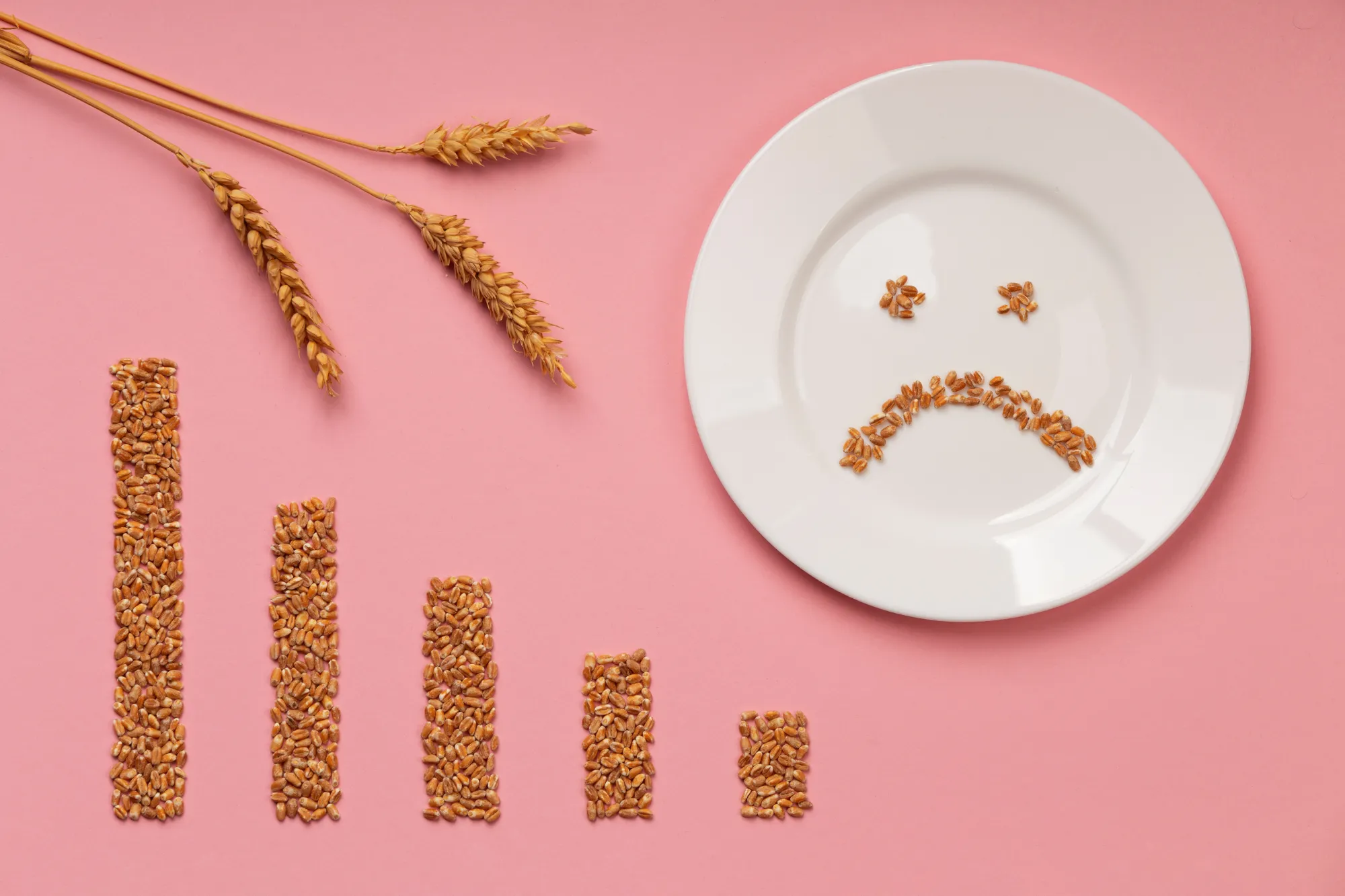
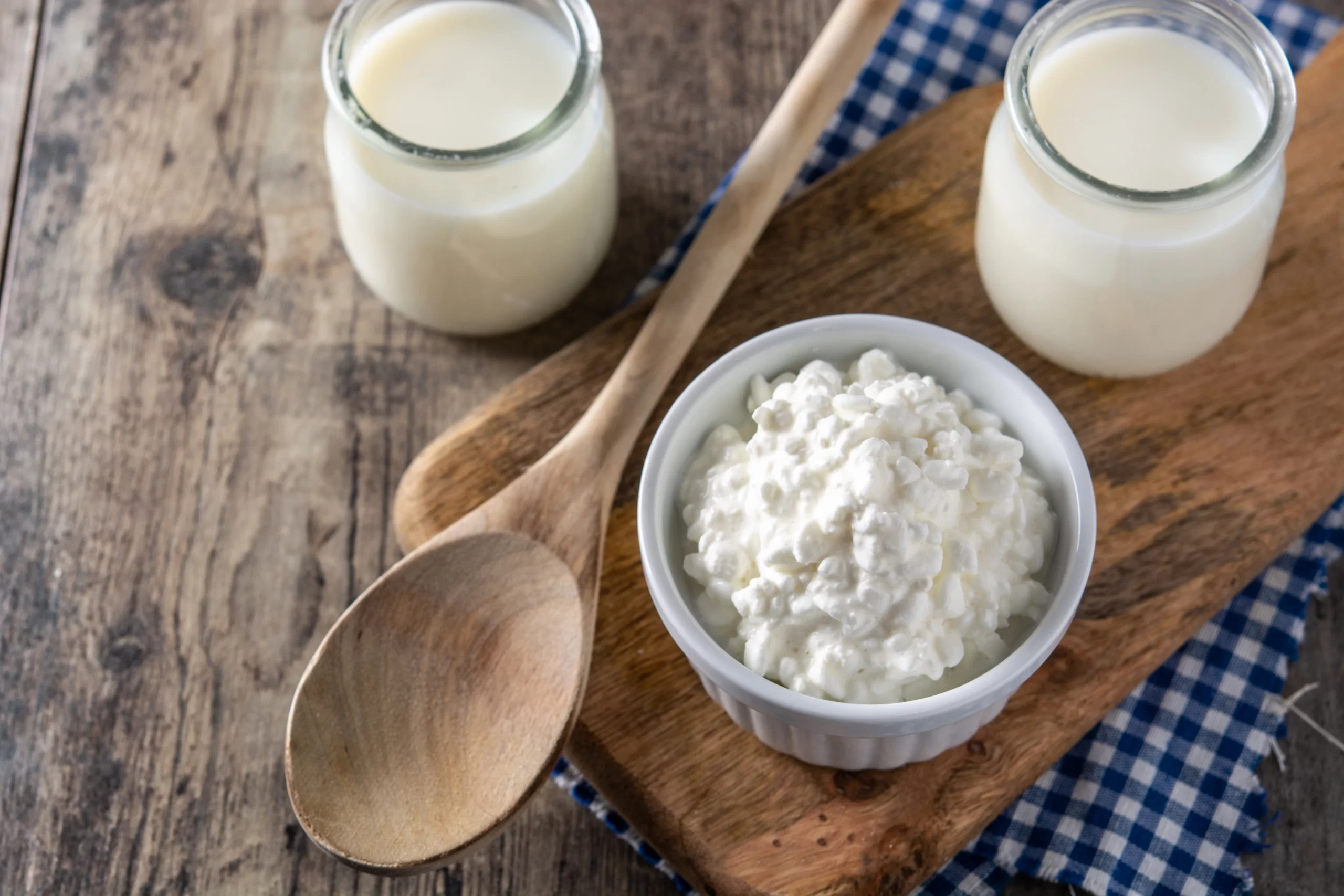
Research indicates that peptides from gluten (found in wheat) and casein (found in animal milk) may be related to excessive opioid activity in the bodies of people with ASD. This activity can impact both the physiology and psychology of these children. Furthermore, there are hypotheses that gluten and casein, when not properly digested, can negatively affect the central nervous system or trigger adverse autoimmune responses in the gastrointestinal system.
Although studies are still inconclusive, there are reports from parents and caregivers who point to significant improvements in behavior, sleep patterns, concentration, general health, and social communication in children who have adopted a gluten-free and/or dairy-free diet. These results, though often based on anecdotal evidence, have been corroborated by scientific research over the years.
A importância da dieta no TEA
A study conducted in England revealed that 19% of parents of autistic children tried to implement a gluten-free and/or dairy-free diet, but 43% of them never consulted a nutritionist. Despite this, many reported significant improvements in their children’s well-being. This reinforces the need for more studies and professional monitoring to better understand the impacts of these dietary changes.
In addition, the relationship between ASD and celiac disease has been widely discussed. Epidemiological studies point to a comorbidity between these conditions, which justifies the growing interest in gluten-free diets for children with ASD.
The importance of diet in ASD
Based on years of study and research, I have developed food kits especially for children diagnosed with ASD, APLV, and ADHD. These kits, which are constantly being adapted and innovated, aim to assist in balancing the gut-brain axis, a crucial factor for the well-being of these children.
The special kits and combos are prepared with rigorous quality criteria and do not contain gluten, sugar, milk, or artificial sweeteners. This composition seeks to minimize possible factors that could trigger adverse reactions in the children’s bodies, promoting a more favorable environment for cognitive, emotional, and behavioral development.
Positive results
Since we started marketing these kits, we have received very positive feedback from parents and caregivers. Many report significant improvements in children’s behavior, concentration, and quality of life. These results motivate us to continue investing in research and innovation to offer increasingly effective and accessible solutions.
Conclusion
Although more studies are still needed to scientifically prove the benefits of specific diets for children with ASD and ADHD, the positive reports and preliminary evidence are already a promising indication. Food plays a fundamental role in health and well-being, and offering safe options adapted to the needs of this public is an important step to improve the quality of life of these children and their families.
If you are interested in learning more about the kits or wish to share your experience, please contact us. Together, we can build a path to more health and well-being for our children.
With respect and affection
Prof. Dr. Cyllene Matos Ornelas da Cunha Corrêa de Souza